


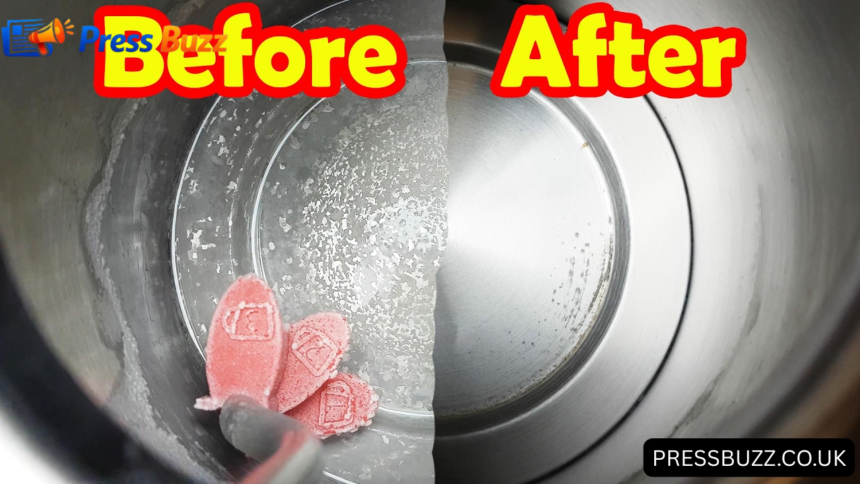
Limescale is one of the most common problems affecting kettles, especially in areas with hard water. If you have noticed white deposits inside your kettle or your drinks no longer taste as fresh, it is time to learn how to descale kettle properly. Regular descaling keeps your appliance working efficiently, shortens boiling times and helps improve the flavour of tea, coffee and other hot drinks.
- Why Descaling Your Kettle Matters
- What You Need Before You Start
- How to Descale Kettle with White Vinegar
- How to Descale Kettle with Lemon or Lemon Juice
- Using Citric Acid or Commercial Descaler
- How to Descale Kettle with Baking Soda
- How to Descale Kettle Without Vinegar
- Cleaning the Kettle Spout and Difficult Areas
- Common Mistakes to Avoid
- Tips to Prevent Limescale Build-Up
- Conclusion
- Frequently Asked Questions
Understanding how to descale kettle is simple when you use the right cleaning method. Whether you prefer natural ingredients like lemon and white vinegar or a commercial descaler, removing limescale does not require expensive products. This guide explains the safest and most effective techniques while offering practical tips to help keep your kettle spotless for longer.
Why Descaling Your Kettle Matters
Every time water boils, tiny mineral deposits are left behind inside the kettle. Over weeks and months, these minerals build into hard limescale that reduces heating efficiency and makes the appliance work harder. Learning how to descale kettle regularly helps prevent excessive build-up, reduces energy consumption and extends the life of your kettle.
A clean kettle also produces better-tasting drinks because there is less mineral residue mixing with the water. Regular maintenance can reduce unpleasant smells and prevent flakes of limescale from appearing in your cup. Making descaling part of your monthly cleaning routine keeps your kettle performing at its best throughout the year.
What You Need Before You Start
Before beginning, unplug the kettle and allow it to cool completely. Gather your chosen cleaning product, whether that is white vinegar, lemon juice, citric acid or a specialist descaler. You will also need fresh water, a soft cloth or sponge and access to clean running water for rinsing the appliance thoroughly after cleaning.
Knowing how to descale kettle safely also means avoiding abrasive scourers or harsh chemicals that may damage the kettle’s interior. Always read the manufacturer’s instructions if you plan to use a commercial descaler. Gentle cleaning methods protect stainless steel, glass and plastic kettles while effectively removing stubborn limescale deposits.
How to Descale Kettle with White Vinegar
One of the most popular methods for how to descale kettle involves using white vinegar. Fill the kettle halfway with equal parts white vinegar and water. Bring the mixture to the boil, switch the kettle off and leave the solution to soak for around thirty minutes. During this time, the vinegar naturally breaks down stubborn mineral deposits.
After soaking, empty the kettle carefully and rinse it several times with clean water. Boil fresh water once or twice before making drinks to remove any remaining vinegar smell. This simple technique is inexpensive, highly effective and suitable for most electric kettles when used occasionally.
How to Descale Kettle with Lemon or Lemon Juice
If you prefer a fresher scent, learning how to descale kettle with lemon is an excellent alternative. Squeeze the juice from one or two fresh lemons into the kettle or use bottled lemon juice. Add enough water to cover the limescale, boil the mixture and allow it to stand for around thirty minutes before emptying.
Lemon contains natural acids that dissolve mineral deposits while leaving a pleasant citrus fragrance behind. Once the kettle has soaked, rinse it thoroughly and boil fresh water before use. This method works particularly well for light to moderate limescale and is popular with households avoiding vinegar.
Using Citric Acid or Commercial Descaler
Citric acid is another highly effective option for anyone researching how to descale kettle. Dissolve one or two tablespoons of citric acid in water, fill the kettle and bring the solution to the boil. Leave it to soak before rinsing thoroughly. Citric acid removes stubborn scale quickly without leaving a strong smell behind.
Commercial descalers also provide excellent results, particularly for heavy limescale build-up. Always follow the instructions supplied with the product and rinse the kettle several times afterwards. Choosing the correct cleaning solution depends on how severe the limescale is and how frequently you descale your appliance.
How to Descale Kettle with Baking Soda
Many people wonder whether baking soda is effective when learning how to descale kettle. Although it is not as powerful as vinegar or citric acid for dissolving heavy limescale, it works well for light deposits and general cleaning. Mix one or two teaspoons of baking soda with water, boil the solution and leave it to sit for around twenty minutes before emptying the kettle.
After soaking, rinse the kettle thoroughly with fresh water to remove any remaining residue. Baking soda is particularly useful for neutralising odours and freshening the inside of the appliance. If thick limescale remains after cleaning, repeat the process or switch to a stronger natural option such as white vinegar or citric acid for better results.
How to Descale Kettle Without Vinegar
Not everyone enjoys the smell of vinegar, so there are several effective alternatives. If you are searching for how to descale kettle without vinegar, lemon juice, citric acid and commercial descalers are all excellent choices. Each method removes mineral deposits safely while leaving the kettle clean and ready for everyday use.
Citric acid is often considered the closest alternative because it dissolves stubborn limescale quickly without leaving a lingering smell. Lemon juice offers a more natural solution for light deposits and leaves a pleasant citrus fragrance. Choosing the right method depends on the amount of limescale and the cleaning products you already have at home.
Cleaning the Kettle Spout and Difficult Areas
The spout and filter often collect hidden limescale that can affect the quality of boiled water. After descaling the main body of the kettle, remove the filter if it is detachable and rinse it under warm running water. A soft toothbrush can help remove stubborn deposits without damaging delicate parts.
Learning how to descale kettle completely means paying attention to every area, not just the base. Wipe around the lid, handle and spout using a soft damp cloth. Regular cleaning prevents future build-up and helps ensure your kettle pours smoothly while maintaining good hygiene and reliable performance.
Common Mistakes to Avoid
One of the biggest mistakes people make when learning how to descale kettle is leaving limescale untouched for several months. Heavy deposits become harder to remove and may reduce the efficiency of the heating element. Cleaning your kettle regularly saves both time and effort while helping the appliance last much longer.
Another common mistake is failing to rinse the kettle thoroughly after using vinegar, lemon or commercial descaler. Always boil and discard one or two batches of fresh water before preparing drinks. Avoid using abrasive pads or metal brushes because they may scratch the interior surface and shorten the lifespan of the kettle.
Tips to Prevent Limescale Build-Up
Preventing limescale is easier than removing thick deposits. Empty any unused water after each use instead of allowing it to sit inside the kettle overnight. Fresh water contains fewer concentrated minerals, helping reduce the speed at which limescale forms over time.
If you live in a hard water area, consider using filtered water whenever possible. Creating a monthly cleaning routine is another excellent habit. Knowing how to descale kettle is only part of proper maintenance, while regular prevention keeps the appliance cleaner, more energy-efficient and ready for daily use.
Conclusion
Understanding how to descale kettle is an essential part of maintaining a clean and efficient kitchen appliance. Whether you choose white vinegar, lemon juice, citric acid, baking soda or a commercial descaler, each method can remove limescale effectively when used correctly. Regular descaling improves boiling performance, enhances the flavour of hot drinks and helps reduce unnecessary energy consumption.
By making descaling part of your household routine, you can extend the life of your kettle and prevent stubborn mineral deposits from becoming difficult to remove. A few minutes of maintenance each month can make a noticeable difference, ensuring your kettle remains reliable, hygienic and ready to deliver perfectly boiled water whenever you need it.
Frequently Asked Questions
How often should I descale my kettle?
Most kettles should be descaled every four to eight weeks, depending on your local water hardness.
Can I use white vinegar to descale any kettle?
Yes, white vinegar is generally safe for most kettles when diluted correctly and rinsed thoroughly afterwards.
Is lemon juice as effective as vinegar?
Lemon juice works well for light to moderate limescale and leaves a fresher scent than vinegar.
Can baking soda remove stubborn limescale?
Baking soda is better for light cleaning, while vinegar or citric acid is more effective on heavy deposits.
Is citric acid safe for electric kettles?
Yes, citric acid is a safe and highly effective descaling option for most electric kettles.
Should I rinse the kettle after descaling?
Yes, always rinse thoroughly and boil fresh water once or twice before making drinks.
Can commercial descalers work better than natural methods?
Commercial descalers often remove heavy limescale faster but should always be used according to the manufacturer’s instructions.
How can I stop limescale building up in my kettle?
Use filtered water where possible, empty the kettle after use and descale it regularly to prevent mineral build-up.
Also Read: jet2 cabin bag size
