

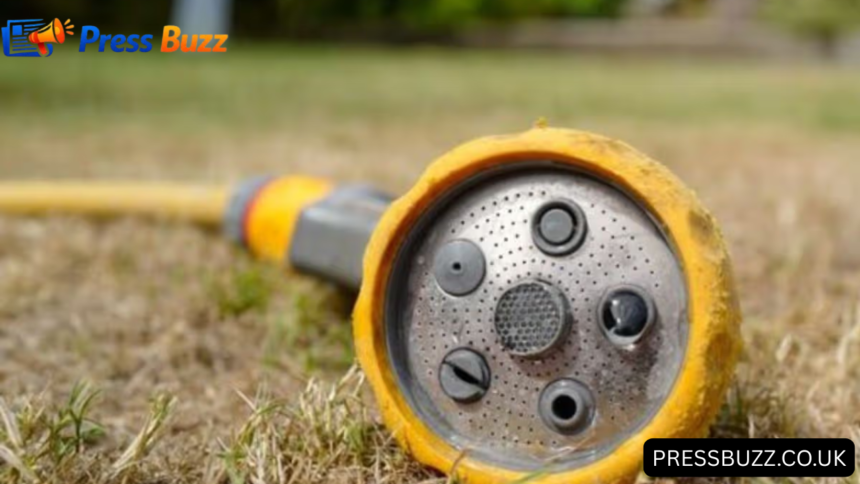
The UK has experienced increasingly dry summers in recent years, leading several water companies to introduce a hosepipe ban to protect vital water supplies. These temporary restrictions are designed to reduce unnecessary water use and help preserve reservoirs, rivers, and groundwater during periods of low rainfall. While the rules can be inconvenient, they play an essential role in ensuring there is enough water for homes, businesses, and emergency services.
- What Is a Hosepipe Ban?
- Is There a Hosepipe Ban in My Area?
- Latest Hosepipe Ban UK Updates
- Water Companies with Hosepipe Ban Updates
- Areas Commonly Affected by Hosepipe Bans
- What You Can and Cannot Do During a Hosepipe Ban
- Who Is Exempt from a Hosepipe Ban?
- Why Hosepipe Bans Happen
- How to Save Water During a Hosepipe Ban
- Hosepipe Ban 2025 vs 2026: What’s Changed?
- Conclusion
- Frequently Asked Questions
Many people ask whether a hosepipe ban affects their area and what activities are still permitted. The answer often depends on which water company supplies your home, as restrictions vary across different regions. This guide explains everything you need to know, from checking your postcode to understanding the latest updates, helping you stay informed and prepared whenever restrictions are introduced.
What Is a Hosepipe Ban?
A hosepipe ban is a temporary restriction introduced by water companies to limit non-essential water use during dry weather or drought conditions. Officially referred to as a Temporary Use Ban (TUB), it prevents certain outdoor activities that consume large amounts of treated drinking water. These restrictions are introduced only when water supplies become stretched and conservation measures are necessary to protect essential services.
Although the term may sound alarming, a hosepipe ban is a preventative measure rather than an emergency response. Water companies carefully monitor rainfall, reservoir levels, river flows, and customer demand before making a decision. By reducing unnecessary water use early, suppliers can avoid more severe shortages later and continue providing reliable water to millions of homes across the UK.
Is There a Hosepipe Ban in My Area?
If you are wondering whether restrictions apply where you live, the quickest option is to check your local water supplier’s official website. Most companies now provide postcode checking tools that instantly confirm whether your address falls within an affected area. These services are updated whenever restrictions change, making them the most reliable source of information.
It is important to remember that neighbouring towns can have different rules because they may be supplied by different water companies. One community could face restrictions while another only a few miles away remains unaffected. Checking regularly is worthwhile, particularly during prolonged periods of hot weather when conditions can change quickly and additional areas may be added to a temporary restriction zone.
Latest Hosepipe Ban UK Updates
Water companies across England and Wales regularly assess weather conditions before deciding whether restrictions are required. Low rainfall, increased household demand, and declining reservoir levels can all contribute to the introduction of temporary measures. During particularly dry summers, several suppliers may announce restrictions within days of each other as conditions worsen across multiple regions.
Latest updates are usually published through company websites, local news outlets, and official social media channels. These announcements explain when restrictions begin, which postcodes are affected, and which activities are prohibited. Following trusted sources ensures households receive accurate guidance rather than relying on rumours or outdated information circulating online.
Water Companies with Hosepipe Ban Updates
Several major suppliers have introduced restrictions during recent dry periods, including Thames Water, South East Water, Yorkshire Water, Anglian Water, Wessex Water, and Severn Trent. Each company makes independent decisions based on local water availability rather than following a nationwide timetable. This means restrictions can differ significantly between regions depending on local weather conditions and available water resources.
Customers should always follow the guidance issued by their own supplier because permitted activities and exemptions can vary. Some companies allow limited watering using watering cans, while others publish additional advice on commercial use, public spaces, and special exemptions. Reading the latest official guidance helps households comply with the rules while continuing to use water responsibly.
Areas Commonly Affected by Hosepipe Bans
Certain parts of the UK experience water restrictions more often than others due to population growth, lower rainfall, and increased demand during the summer months. Counties across South East England, including Kent, Sussex, Surrey, Hampshire and Berkshire, are frequently monitored because prolonged dry weather can place significant pressure on reservoirs and underground water supplies. These areas are often among the first where temporary restrictions are considered.
Many people also ask whether there is a hosepipe ban in London or Yorkshire. The answer depends on the local water company rather than the city or county itself. Some parts of Yorkshire may be affected while others remain unrestricted, and London residents should always check the latest advice from their supplier to confirm whether their postcode falls within a restricted area.
What You Can and Cannot Do During a Hosepipe Ban
A typical hosepipe ban prevents customers from using a hosepipe for non-essential activities. This usually includes watering gardens, washing private vehicles, cleaning patios or driveways, filling paddling pools, topping up ornamental ponds, and operating sprinklers connected to the mains water supply. Pressure washers supplied directly from a hose are also commonly restricted during the ban period.
However, many everyday activities remain permitted. Watering plants with a watering can, collecting and using rainwater, and carrying out essential cleaning for health and safety purposes are generally allowed. The exact rules vary between water companies, so reading the official guidance helps avoid confusion and ensures you continue using water responsibly while complying with local restrictions.
Who Is Exempt from a Hosepipe Ban?
Although restrictions apply to most households, water companies recognise that some customers require additional support. Exemptions may be available for people with specific medical conditions, Blue Badge holders, and those whose health depends upon continued access to water for particular purposes. Essential public services and certain commercial activities may also receive exemptions where public safety could otherwise be affected.
Each supplier operates its own exemption policy, meaning eligibility requirements are not identical across the country. Customers who believe they qualify should contact their water company directly and review the published guidance before making assumptions. Applying early can help ensure any necessary permissions are in place before restrictions begin.
Why Hosepipe Bans Happen
The main reason restrictions are introduced is to protect limited water supplies during extended periods of dry weather. When rainfall remains below average for weeks or even months, reservoirs, rivers and groundwater sources cannot replenish naturally. At the same time, warm temperatures encourage people to water gardens, fill pools and wash cars more frequently, increasing overall demand.
Climate change has also contributed to changing weather patterns across the UK, with hotter summers becoming more common in many regions. Water companies are therefore placing greater emphasis on conservation and sustainable water management. Introducing temporary restrictions before supplies become critically low helps reduce the likelihood of more severe shortages later in the season.
How to Save Water During a Hosepipe Ban
Saving water does not have to involve major lifestyle changes. Simple actions such as turning off taps while brushing your teeth, fixing dripping taps promptly, running washing machines only with full loads, and taking shorter showers can significantly reduce daily household water use. These small improvements become especially valuable when adopted by thousands of households across the country.
Gardeners can also make better use of available water by installing water butts to collect rainwater, watering plants during the cooler parts of the day, and adding mulch around flower beds to retain moisture. Choosing drought-tolerant plants and reducing unnecessary lawn watering can help gardens remain healthy while supporting wider efforts to conserve precious water resources.
Hosepipe Ban 2025 vs 2026: What’s Changed?
Compared with previous years, recent summers have demonstrated how quickly local conditions can change. Some regions experienced earlier restrictions because of lower winter rainfall and prolonged periods of warm weather. Water companies have responded by increasing public awareness campaigns and encouraging customers to reduce consumption before restrictions become necessary, rather than waiting until supplies reach critical levels.
Another noticeable improvement has been the availability of online postcode checkers and real-time updates. Customers can now confirm whether their property is affected within seconds, making it much easier to stay informed. Better communication has helped reduce confusion and ensures residents understand exactly which restrictions apply within their local area.
Conclusion
A hosepipe ban is designed to protect essential water supplies during periods of prolonged dry weather. Although temporary restrictions may affect everyday activities such as watering gardens or washing cars, they help preserve enough water for drinking, cooking, healthcare, education and other essential services. Responsible water use today can make a significant difference to the resilience of local supplies tomorrow.
The best way to stay informed is by checking your local water company’s official website for the latest updates and postcode guidance. Following the published advice, understanding any exemptions that may apply, and adopting simple water-saving habits will help households support conservation efforts while remaining fully compliant with temporary restrictions.
Frequently Asked Questions
What is a hosepipe ban?
A hosepipe ban is a temporary restriction that limits non-essential use of hosepipes to help conserve water during dry weather.
Is there a hosepipe ban in my area?
You can check your local water company’s website or postcode checker for the latest information.
Can I water my garden during a hosepipe ban?
Using a hosepipe is usually prohibited, but watering cans are generally still permitted.
Can I wash my car during a hosepipe ban?
In most cases, washing a private vehicle with a hosepipe is not allowed while restrictions are in force.
Is there a hosepipe ban in London?
Restrictions depend on your local water supplier and whether your postcode is included in the affected area.
Who is exempt from a hosepipe ban?
Some medical users, Blue Badge holders, essential public services and qualifying businesses may receive exemptions.
How long does a hosepipe ban usually last?
It remains in place until water levels improve and the water company officially removes the restrictions.
Can I use rainwater during a hosepipe ban?
Yes. Collected rainwater can normally be used for watering plants and other permitted outdoor activities.
What happens if I break a hosepipe ban?
Customers who ignore restrictions may face warnings or fines, depending on the enforcement policy of their water company.
Where can I find the latest hosepipe ban updates?
The most reliable source is your local water company’s official website, where updates and postcode checkers are regularly maintained.
Also Read: walsall news
