


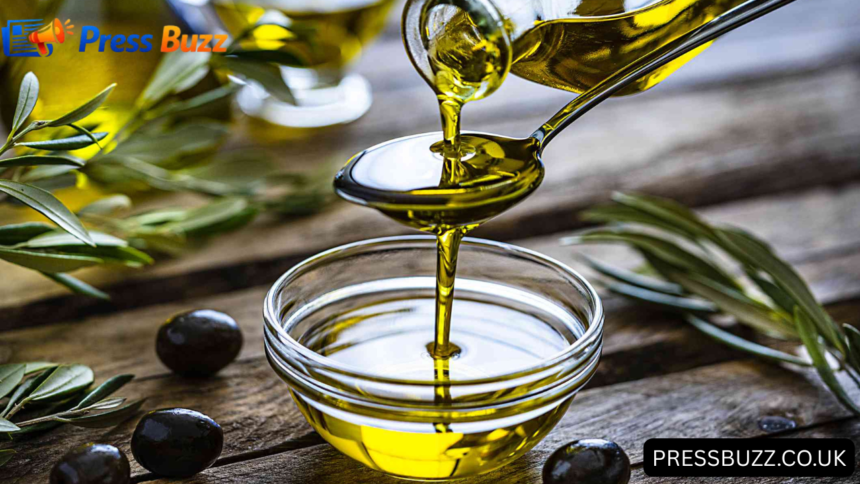
Extra virgin olive oil has earned its place as one of the healthiest and most versatile ingredients found in kitchens across the world. Produced from fresh olives using natural mechanical methods, it retains its rich flavour, vibrant aroma and valuable nutrients. Whether you enjoy preparing simple salads or hearty family meals, choosing extra virgin olive oil can improve both taste and nutrition. It is widely recognised for its purity, making it the highest quality grade of olive oil available.
- What Is Extra Virgin Olive Oil?
- Extra Virgin Olive Oil vs Olive Oil
- Is Extra Virgin Olive Oil Good for You?
- Extra Virgin Olive Oil Benefits
- Can You Cook with Extra Virgin Olive Oil?
- How to Choose the Best Extra Virgin Olive Oil
- Best Extra Virgin Olive Oil UK
- Popular Extra Virgin Olive Oil Brands
- Buying Guide and Packaging Options
- How to Store Extra Virgin Olive Oil Properly
- Common Mistakes People Make
- Conclusion
- Frequently Asked Questions
Beyond its culinary appeal, extra virgin olive oil is closely linked with healthy eating habits, particularly the Mediterranean diet. It contains heart-friendly monounsaturated fats, natural antioxidants and beneficial plant compounds that support overall wellbeing. This guide explores everything you need to know, including how it is made, its health benefits, cooking uses and practical buying advice to help you choose the right bottle with confidence.
What Is Extra Virgin Olive Oil?
Extra virgin olive oil is the purest and least processed form of olive oil. It is extracted from freshly harvested olives using only mechanical methods without excessive heat or chemical treatment. This natural process helps preserve the oil’s flavour, aroma and nutritional value. To qualify as extra virgin, the oil must meet strict quality standards, including a free acidity level of no more than 0.8 per cent.
Unlike refined oils, extra virgin olive oil retains naturally occurring antioxidants, vitamins and polyphenols that contribute to its distinctive taste and health benefits. Many premium varieties are also labelled as cold pressed extra virgin olive oil, indicating that low temperatures were maintained during extraction. This careful production method helps protect delicate nutrients while delivering a richer and more authentic flavour.
Extra Virgin Olive Oil vs Olive Oil
Many shoppers wonder about the difference between extra virgin olive oil and standard olive oil. While both come from olives, they are processed differently. Extra virgin olive oil is made without chemicals or refining, preserving its natural characteristics. Regular olive oil often combines refined oil with a small amount of virgin olive oil, resulting in a milder taste and fewer natural nutrients.
The nutritional differences are equally important. Extra virgin olive oil contains higher levels of antioxidants and beneficial plant compounds, making it the preferred choice for those seeking maximum health benefits. Although both oils can be used in cooking, many chefs favour extra virgin olive oil because it enhances the flavour of dishes while providing superior nutritional quality.
Is Extra Virgin Olive Oil Good for You?
One of the most common questions people ask is, “Is extra virgin olive oil good for you?” The answer is yes when consumed as part of a balanced diet. It is naturally rich in monounsaturated fats, which may support heart health by helping maintain healthy cholesterol levels. In addition, its antioxidant content helps protect the body’s cells from oxidative stress caused by free radicals.
Research also suggests that regular consumption of extra virgin olive oil may contribute to brain health, reduce inflammation and support healthy ageing. It provides vitamin E and vitamin K while helping the body absorb fat-soluble vitamins from other foods. Choosing high-quality extra virgin olive oil instead of heavily processed fats can be a simple yet effective way to improve everyday nutrition.
Extra Virgin Olive Oil Benefits
The impressive range of extra virgin olive oil benefits has made it a favourite among nutrition experts and home cooks alike. Its healthy fats contribute to cardiovascular wellbeing, while powerful antioxidants such as polyphenols help reduce inflammation. These natural compounds may also support the immune system and contribute to better long-term health when included as part of a varied diet.
Extra virgin olive oil benefits extend beyond internal health. Many people use it to nourish dry skin and improve hair condition due to its moisturising properties. It also adds exceptional flavour to salads, roasted vegetables and fresh bread without the need for artificial ingredients. Its combination of taste and nutrition makes it a valuable addition to nearly every kitchen.
Can You Cook with Extra Virgin Olive Oil?
Many people ask, “Can you cook with extra virgin olive oil?” or “Can you use extra virgin olive oil for cooking?” The answer is absolutely. Despite common myths, quality extra virgin olive oil has a smoke point that makes it suitable for everyday cooking methods such as roasting, sautéing, baking and gentle frying. It performs well while retaining much of its nutritional value.
Using extra virgin olive oil for cooking not only improves flavour but also provides healthier fats compared with many processed vegetable oils. It works beautifully with vegetables, fish, poultry and pasta dishes, adding a subtle richness without overpowering natural ingredients. For maximum flavour, many cooks also drizzle extra virgin olive oil over finished dishes before serving.
How to Choose the Best Extra Virgin Olive Oil
Finding the best extra virgin olive oil requires more than simply choosing the most attractive bottle. Start by checking for harvest dates, country of origin and quality certifications. Freshness matters because olive oil gradually loses flavour and nutrients over time. Dark glass bottles offer better protection against light, helping preserve the oil’s quality for longer.
If possible, choose organic extra virgin olive oil from trusted producers who provide clear information about sourcing and production methods. Many shoppers compare products such as Aldi extra virgin olive oil, Lidl extra virgin olive oil, Waitrose extra virgin olive oil and Filippo Berio extra virgin olive oil to find the best balance between quality and price. Reading labels carefully will help you identify genuine products that offer excellent flavour and nutritional value.
Best Extra Virgin Olive Oil UK
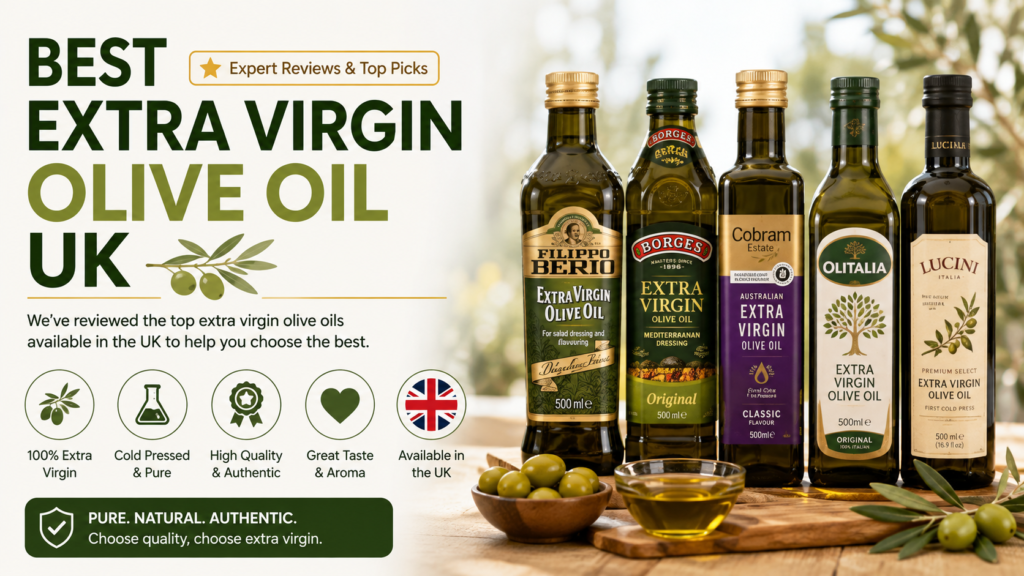
Choosing the best extra virgin olive oil UK shoppers can buy depends on quality, freshness and intended use. Premium oils often display the harvest date, olive variety and country of origin, giving buyers confidence in what they are purchasing. A well-balanced oil should have a fruity aroma with gentle bitterness and a peppery finish, all of which indicate a high concentration of natural antioxidants.
The best extra virgin olive oil is not always the most expensive option. Many supermarkets now stock excellent choices that meet strict quality standards and suit different budgets. Whether you are looking for the best extra virgin olive oil to drink daily or an everyday cooking oil, selecting a fresh, well-labelled product ensures better flavour, improved nutrition and greater value for money.
Popular Extra Virgin Olive Oil Brands
The UK market offers a wide selection of trusted brands, making it easier than ever to find quality products. Aldi extra virgin olive oil has become popular for delivering reliable quality at an affordable price, while Lidl extra virgin olive oil is often praised for its balanced flavour and excellent value. These supermarket options make healthy cooking accessible for many households.
Premium brands such as Filippo Berio extra virgin olive oil and Waitrose extra virgin olive oil continue to attract loyal customers because of their consistent taste and dependable quality. Comparing different brands allows you to discover the flavour profile that best suits your cooking style, whether you enjoy robust oils for salads or milder varieties for everyday meals.
Buying Guide and Packaging Options
When purchasing extra virgin olive oil, consider how often you cook and how much oil you typically use. Smaller bottles are ideal for occasional use because they help maintain freshness after opening. Larger containers, including extra virgin olive oil 5L packs, are often more economical for large families, restaurants or anyone who uses olive oil regularly.
It is also worth considering packaging quality. Dark glass bottles and well-sealed tins provide better protection against light and air, helping preserve flavour and nutritional value. Always choose products with clear labelling and avoid bottles that have been sitting in direct sunlight for long periods, as exposure to heat and light can reduce quality.
How to Store Extra Virgin Olive Oil Properly
Proper storage plays an important role in maintaining the quality of extra virgin olive oil. Keep the bottle in a cool, dark cupboard away from ovens, hobs and direct sunlight. Excessive heat and light speed up oxidation, causing the oil to lose its fresh taste, aroma and valuable nutrients more quickly.
After each use, ensure the cap is tightly sealed to minimise exposure to air. Avoid storing the oil in clear containers near windows, as light can gradually damage its natural compounds. With correct storage, extra virgin olive oil will remain fresh for longer and continue to deliver its full flavour and nutritional benefits in every meal.
Common Mistakes People Make
One of the most common mistakes is assuming that all olive oils offer the same quality. Many people purchase products based solely on price without checking harvest dates, production methods or certification. Selecting genuine extra virgin olive oil from reputable producers helps ensure you receive the highest quality, authentic flavour and valuable health benefits.
Another frequent mistake is using poor storage practices or believing the myth that extra virgin olive oil cannot be used for cooking. Leaving bottles open, exposing them to heat or storing them in direct sunlight can reduce freshness. Using the oil correctly and storing it properly helps preserve its taste, aroma and nutritional value for everyday use.
Conclusion
Extra virgin olive oil remains one of the finest ingredients you can add to your kitchen because it combines exceptional flavour with impressive nutritional value. From supporting heart health to enhancing everyday cooking, it offers benefits that extend well beyond simple food preparation. Whether you enjoy it in salads, drizzle it over roasted vegetables or use it for gentle frying, this versatile oil deserves a place in every home.
Understanding how to identify quality products, compare trusted brands and store them correctly allows you to make informed purchasing decisions. By choosing fresh, authentic extra virgin olive oil and incorporating it into a balanced diet, you can enjoy better-tasting meals while supporting a healthier lifestyle for years to come.
Frequently Asked Questions
What is extra virgin olive oil?
Extra virgin olive oil is the highest quality olive oil made from mechanically pressed fresh olives without refining.
Is extra virgin olive oil good for you?
Yes, it is rich in healthy fats, antioxidants and vitamins that support overall wellbeing.
Can you cook with extra virgin olive oil?
Yes, it is suitable for roasting, sautéing, baking and many everyday cooking methods.
What is the difference between extra virgin olive oil and olive oil?
Extra virgin olive oil is less processed, more nutritious and has a richer natural flavour.
What is the best extra virgin olive oil UK offers?
The best choice depends on freshness, quality certification, flavour and your intended use.
Is organic extra virgin olive oil worth buying?
Organic varieties can be an excellent option if you prefer olives grown without synthetic pesticides.
Can you drink extra virgin olive oil every day?
Many people consume small amounts daily as part of a balanced diet, but moderation is recommended.
How should extra virgin olive oil be stored?
Store it in a cool, dark place with the lid tightly closed to preserve freshness and flavour.
Also Read: coverwise travel insurance
