


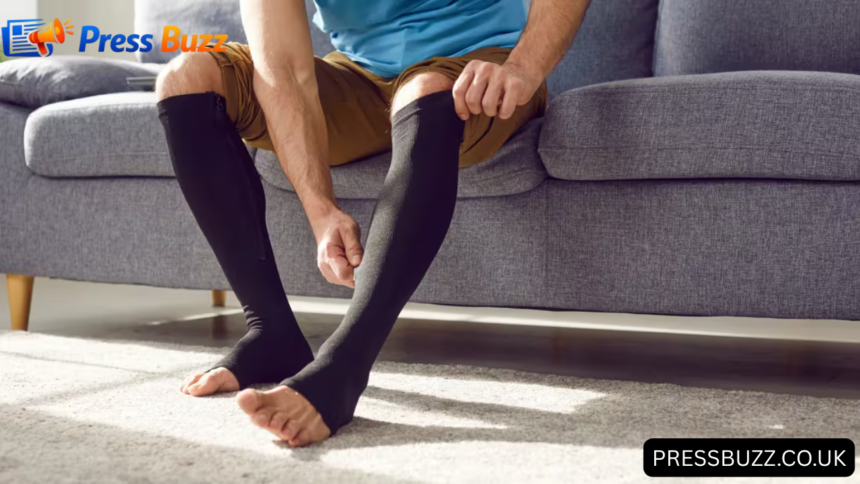
Compression socks are specially designed garments that apply controlled pressure around the feet, ankles and lower legs. They are commonly used to support circulation, manage mild swelling and improve everyday leg comfort. People may choose them for work, travel, exercise or long periods of sitting. Unlike ordinary socks, their construction is designed to provide targeted support, making them a practical option for people who regularly experience tired, heavy or uncomfortable legs.
- What Do Compression Socks Do?
- How Do Compression Socks Work?
- Compression Socks Benefits
- Compression Socks for Women
- Compression Socks for Men
- Compression Socks for Flying
- Compression Socks for Running
- Choosing the Best Compression Socks
- Best Compression Socks UK
- Everstride Compression Socks
- Medical Grade Compression Socks
- How Long to Wear Compression Socks
- How to Wear Compression Socks Correctly
- Caring for Compression Socks
- Common Mistakes to Avoid
- Compression Socks vs Ordinary Socks
- Are Compression Socks Right for You?
- Conclusion
- Frequently Asked Questions
The growing interest in compression socks reflects their versatility and straightforward design. They can be worn discreetly beneath everyday clothing while providing additional support throughout the day. However, choosing the right size, material and compression level is important. A comfortable fit should feel supportive without causing pain, numbness or excessive tightness, particularly when the socks are worn for several hours.
What Do Compression Socks Do?
Compression socks gently squeeze the lower legs, with graduated pressure usually strongest around the ankle and gradually reducing towards the calf. This design can encourage blood to move upwards through the veins and may help limit fluid collecting around the feet and ankles. For people who spend much of the day seated or standing, this additional support may make their legs feel lighter and more comfortable.
One of the main reasons people use compression socks is to manage feelings of tiredness, heaviness and mild swelling. Long periods of inactivity can affect how comfortable the lower legs feel, particularly during workdays or journeys. Although individual results vary, properly fitted compression can complement regular movement and other healthy habits while helping users maintain greater comfort during demanding daily routines.
How Do Compression Socks Work?
The basic principle behind compression socks is graduated pressure. The fabric is normally tighter around the ankle and gradually becomes less restrictive higher up the leg. This pressure supports the natural circulation of blood through the veins, helping counter some of the effects that gravity can have when a person remains seated or standing for long periods.
Different products provide different amounts of pressure, so shoppers should never assume that every pair works in exactly the same way. Everyday options may provide relatively gentle support, while medical products can deliver carefully specified compression. People considering stronger compression because of a health concern should speak with a qualified healthcare professional before choosing a product.
Compression Socks Benefits
The compression socks benefits can be particularly relevant to people who regularly experience tired or heavy-feeling legs. Graduated pressure may support circulation and help manage mild swelling associated with prolonged sitting or standing. This makes them popular among office workers, retail employees, travellers and other people whose daily routines involve limited movement or many hours on their feet.
Another benefit is their versatility. Compression socks can be incorporated into travel clothing, workwear or sports equipment without requiring a major change to a person’s routine. Runners may appreciate supportive designs during or after training, while frequent travellers may prefer them for longer journeys. Comfort, fit and appropriate compression remain essential factors when deciding whether they are suitable.
Compression Socks for Women
Compression socks for women are available in numerous colours, lengths, materials and designs, allowing them to suit different lifestyles. When selecting a pair, women should check the manufacturer’s sizing guidance rather than relying entirely on standard shoe size. Calf measurements can also be important because a sock that fits the foot correctly may still be uncomfortable if it is unsuitable around the lower leg.
Pregnancy is another situation in which people may investigate compression socks pregnancy options. Swelling around the feet and ankles can occur during pregnancy, but unusual, sudden or significant swelling should not simply be assumed to be harmless. Pregnant women should speak with their midwife, GP or another qualified healthcare professional about symptoms and whether compression is appropriate for their individual circumstances.
Compression Socks for Men
Compression socks for men can provide practical support for people who spend long periods standing, travelling or exercising. Many designs are made to look similar to traditional everyday socks, allowing them to be worn with office clothing or casual outfits. The most important considerations remain accurate sizing, suitable compression, comfortable materials and the purpose for which the socks will be used.
Men who work in physically demanding environments may appreciate breathable fabrics and reinforced areas that improve durability. Those who travel frequently might prioritise lightweight construction and easy-care materials. Regardless of the intended use, compression socks should not cause persistent pain, numbness or unusual changes in skin colour. Any concerning symptoms should be taken seriously rather than ignored.
Compression Socks for Flying
Compression socks for flying are widely considered by travellers taking long-distance journeys because sitting for several hours can leave the lower legs feeling stiff, heavy or swollen. Graduated compression provides additional support while passengers remain seated. Wearing suitable socks can be part of a broader travel routine that includes moving around when possible and following appropriate advice for staying comfortable during lengthy journeys.
Flight compression socks should be fitted correctly before substantial swelling develops. They should sit smoothly against the skin without folds, bunching or uncomfortable pressure points. Travellers with a history of blood clots, circulation problems or other relevant medical conditions should obtain individual medical advice before travelling. Compression products should not be viewed as a complete substitute for professional guidance or sensible movement during long journeys.
Compression Socks for Running
Compression socks running products are designed with active users in mind and often combine supportive construction with breathable or moisture-managing fabrics. Some runners choose them during training, while others prefer wearing them after exercise. Running compression socks may provide a secure feeling around the calf and lower leg, although individual preferences vary and not every runner will experience the same advantages.
When selecting socks for running, comfort should take priority over appearance. Look for a suitable size, secure fit, breathable material and construction that works well with your running shoes. The fabric should not feel painfully restrictive or cause numbness. Compression can be incorporated into a wider running routine, but it should complement sensible training, rest, hydration and recovery rather than replace them.
Choosing the Best Compression Socks
Finding the best compression socks starts with understanding why you want them. Someone seeking everyday support may need a different product from a marathon runner or a person using compression under professional medical guidance. Consider the intended activity, compression strength, sock length, sizing range and materials before making a purchase. Reading product specifications carefully can prevent confusion between apparently similar options.
Material is another important consideration. Bamboo compression socks may appeal to shoppers who prefer particular natural-fibre characteristics, while synthetic performance fabrics can offer moisture management and durability. Buyers should also consider cushioning, breathability, seams and the construction around the top of the sock. A well-designed pair should remain comfortably positioned without slipping, bunching or creating restrictive pressure points.
Best Compression Socks UK
People searching for the best compression socks UK should compare products using practical criteria rather than relying only on brand recognition. Check the stated compression level, measurements, materials, intended purpose and available sizes. Specialist suppliers, pharmacies, sports retailers and high-street stores can all offer different choices, so comparing specifications can be more useful than choosing the first product that appears in search results.
Boots compression socks are one option UK shoppers may encounter when looking for accessible everyday products. However, the most suitable choice depends on personal requirements rather than the retailer alone. Before buying, check whether the product is intended for travel, exercise, everyday support or medical use. Paying attention to sizing and compression information can make the final choice more comfortable and appropriate.
Everstride Compression Socks
Everstride compression socks may attract shoppers looking for products that combine lower-leg support with everyday comfort. When assessing any particular brand, it is sensible to examine measurable product details such as compression level, materials, sizing, construction and intended use. These details provide a stronger basis for comparison than promotional wording alone and can help shoppers determine whether a product matches their specific requirements.
People reading everstride compression socks reviews should focus on recurring comments about fit, comfort, durability and ease of use. Individual reviews can be useful for identifying common experiences, but they should be considered alongside the manufacturer’s specifications. Comparing Everstride with alternative products can also reveal differences in materials, compression levels, sizing ranges and features that may be more relevant to your own needs.
Medical Grade Compression Socks

Medical grade compression socks are designed to provide specific levels of pressure and may be recommended for particular healthcare circumstances. Unlike general everyday products, they can require careful measurement or professional fitting to ensure the pressure is appropriate. People considering medical compression should follow advice from their GP, nurse, specialist or another qualified healthcare professional rather than selecting a stronger product independently.
It is important to remember that more compression does not automatically mean better results. The appropriate product depends on the individual’s circumstances and the reason compression is being considered. Medical guidance can also help identify whether compression is suitable in the first place. Anyone experiencing significant pain, numbness, unusual skin colour changes or other worrying symptoms should seek appropriate medical advice.
How Long to Wear Compression Socks
The answer to how long to wear compression socks depends on their purpose, compression level and individual circumstances. Someone wearing them for travel may have different requirements from a person using them for work or following professional medical advice. Always check the manufacturer’s instructions and follow any specific guidance provided by a healthcare professional when compression has been recommended for a medical reason.
Many people find it practical to put compression socks on in the morning, before normal daily activity has contributed to lower-leg swelling. They should remain smooth and correctly positioned throughout the day. Unless a healthcare professional has specifically advised otherwise, compression products are generally not intended to be worn continuously while sleeping. Comfort should always be monitored during use.
How to Wear Compression Socks Correctly
Putting compression socks on correctly can make a significant difference to comfort. One practical approach is to turn the sock inside out towards the heel, place the foot into the correct position and gradually work the remaining material upwards. Avoid pulling aggressively on the upper section, as this can stretch or damage the fabric and make the sock harder to position correctly.
After putting them on, check the entire sock for wrinkles, twists or folded sections. The fabric should lie smoothly against the foot, ankle and calf. Never roll the upper portion down because this can create a concentrated pressure point. If the socks repeatedly cause discomfort despite correct sizing and positioning, remove them and consider whether a different product or professional advice may be necessary.
Caring for Compression Socks
Correct care can help maintain the elasticity and supportive properties of compression socks. Always follow the manufacturer’s washing instructions because different fabrics may require different temperatures or washing methods. Excessive heat can affect elastic fibres, while unsuitable detergents or drying methods may gradually damage certain materials. Proper care can therefore contribute to a longer useful life and more consistent fit.
Regular users may find it helpful to own several pairs and rotate them throughout the week. Inspect each pair for stretched fabric, thinning areas, damaged seams or noticeable loss of elasticity. A sock that has become loose or worn may no longer provide the same level of support. Replacing deteriorated products can help maintain comfort and ensure that the socks continue to fit as intended.
Common Mistakes to Avoid
A common mistake is choosing compression based purely on the strongest available option. Compression should be appropriate for the intended purpose, and medical-grade products should be selected with suitable professional guidance. Another frequent problem is incorrect sizing. A sock that is too loose may move around, while one that is excessively tight can become uncomfortable and difficult to wear.
Users should also avoid wearing socks with folds or rolling the top down. These habits can create uneven pressure and reduce comfort. Ignoring persistent numbness, pain or unusual skin changes is another mistake that should be avoided. If a product causes concerning symptoms, remove it and seek suitable advice rather than assuming discomfort is simply part of wearing compression.
Compression Socks vs Ordinary Socks
Ordinary socks are primarily designed for warmth, comfort, moisture management and protection between the foot and footwear. Compression socks have an additional purpose because they are constructed to provide controlled pressure around the lower leg. This difference makes them particularly relevant to people looking for additional support during travel, work, exercise or prolonged periods of sitting.
The two types should not automatically be viewed as direct substitutes. Ordinary socks can be perfectly suitable for everyday activities when compression is unnecessary, while compression products may be useful when targeted support is desired. Choosing between them should depend on the user’s needs, comfort and circumstances rather than assuming that compression is always preferable.
Are Compression Socks Right for You?
Deciding whether compression socks are suitable begins with identifying the reason for wearing them. If you regularly spend hours sitting, standing, travelling or exercising, you may appreciate additional lower-leg support. However, personal circumstances matter, particularly when compression is being considered because of swelling, circulation concerns or a diagnosed medical condition.
For general everyday use, shoppers should concentrate on accurate sizing, comfortable materials and an appropriate compression level. Anyone considering medical compression or experiencing unexplained symptoms should speak with a qualified healthcare professional. Making an informed decision is more valuable than simply choosing a popular product, because the right combination of fit, support and intended use can make everyday wear considerably more comfortable.
Conclusion
Compression socks can offer practical support for people who experience tired, heavy or mildly swollen legs during travel, work, exercise or prolonged periods of sitting. Their graduated design is intended to support circulation through controlled pressure, while different materials and construction styles allow users to choose products suited to their lifestyles. The key is to select a comfortable, correctly sized option for the intended purpose.
Whether you are comparing everyday products, exploring options for running or considering medical compression, careful selection matters. Look beyond appearance and price to examine compression level, sizing, materials and intended use. With the right information, users can make more confident choices while recognising when professional healthcare advice is needed.
Frequently Asked Questions
What do compression socks do?
They apply graduated pressure to the lower legs to support circulation and may help reduce swelling and feelings of tiredness.
How do compression socks work?
They are generally tighter around the ankles and gradually become less restrictive higher up the leg.
How long should you wear compression socks?
Wearing time depends on the purpose, compression level and individual circumstances, so manufacturer or professional guidance should be followed.
Can you wear compression socks on a flight?
They are commonly worn during long journeys, although people with specific health risks should seek individual medical advice.
Are compression socks good for running?
They can provide supportive coverage and comfort for some runners, although individual preferences and experiences vary.
What are the best compression socks in the UK?
The best option depends on your measurements, intended use, compression level, materials and personal comfort preferences.
Can you wear compression socks during pregnancy?
They may be appropriate in some circumstances, but pregnancy-related swelling should be discussed with a qualified healthcare professional.
What is the difference between compression socks and medical-grade compression socks?
Medical-grade products provide specified compression and may require professional assessment, measurement or fitting.
Also Read: mini fridge
