


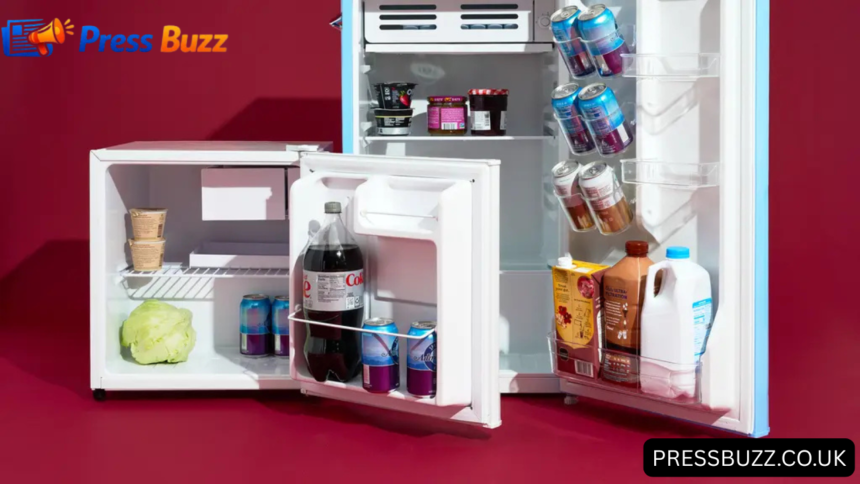
A mini fridge is a practical solution for people who want convenient chilled storage without sacrificing valuable floor space. Unlike a full-sized refrigerator, it can fit comfortably in bedrooms, offices, student accommodation, gaming rooms and other compact areas. Modern designs are available in different capacities and styles, making it easier to store drinks, snacks, skincare products and everyday essentials exactly where they are needed.
- Understanding Mini Fridge Sizes and Capacities
- Mini Fridge for Bedroom Use
- Mini Fridge With Freezer Options
- Popular Mini Fridge Brands and Styles
- Where to Buy a Mini Fridge in the UK
- Cheap Mini Fridge Options and Value
- Branded and Novelty Mini Fridges
- Important Features to Check Before Buying
- Where Should You Place a Mini Fridge?
- Mini Fridge Energy Use and Running Costs
- Cleaning and Maintaining a Mini Fridge
- Mini Fridge vs Standard Fridge
- How to Choose the Right Mini Fridge
- Conclusion
- Frequently Asked Questions
The popularity of compact refrigeration continues to grow because many households now want flexible storage beyond the main kitchen. A mini fridge can complement an existing refrigerator rather than replace it, giving users a convenient secondary cooling area. It can be particularly useful when entertaining guests, working from home or sharing accommodation, as refreshments can remain accessible without constantly returning to the kitchen.
Understanding Mini Fridge Sizes and Capacities
Choosing the correct capacity is one of the most important parts of buying a mini fridge. Smaller models can have capacities of only a few litres and are often designed for drinks, skincare or personal use, while larger versions can provide considerably more room for food, bottles and snacks. Common capacities range from compact 4L and 10L designs to larger 30L, 40L and 50L appliances.
Before choosing a capacity, consider what you actually intend to store and where the appliance will be positioned. A larger mini fridge may provide additional storage, but it also requires more physical space and may be heavier to move. Measure the available area carefully, including door clearance and ventilation space. Selecting the right capacity from the beginning can make the appliance considerably more convenient for everyday use.
Mini Fridge for Bedroom Use
A mini fridge for bedroom use can provide easy access to cold drinks, snacks and other suitable food items without requiring a trip downstairs or across shared accommodation. This makes compact refrigeration especially attractive for students, people living in flats and anyone with a busy routine. Its small footprint also means it can often be positioned beneath a desk, beside suitable furniture or in another convenient area.
Noise is particularly important when choosing a bedroom appliance because even a modest operating sound can become noticeable during quiet periods. Buyers should check manufacturer specifications for noise levels and consider energy consumption as well. The appliance should always have adequate ventilation and be positioned on a stable surface. Following the manufacturer’s installation instructions is essential for safe and reliable operation.
Mini Fridge With Freezer Options
A mini fridge with freezer compartment can provide additional flexibility for people who need a small amount of frozen storage. These appliances can be useful for keeping ice, small frozen foods or occasional essentials, but the freezer section is generally much smaller than the freezer compartment of a conventional household appliance. Buyers should therefore check the actual usable freezer capacity before deciding that this feature is necessary.
The phrase mini fridge freezer covers several different product designs, so product specifications deserve careful attention. Some models include a small freezer box inside the main cabinet, while others concentrate entirely on refrigerated storage. If frozen food is a regular part of your routine, compare the freezer dimensions, temperature performance and defrosting requirements. This can prevent disappointment after purchase and help you choose an appliance suited to your habits.
Popular Mini Fridge Brands and Styles
A Russell Hobbs mini fridge can be attractive to shoppers who prefer established appliance brands and familiar product designs. A Subcold mini fridge may appeal to people looking for compact, portable and versatile cooling solutions, while a Smeg mini fridge can attract buyers who want distinctive retro-inspired styling. Each brand and model can offer different capacities, features and price points, so specifications should always be compared.
Style has also become an important part of the compact appliance market. An Xbox mini fridge can add a gaming-focused touch to an entertainment room, while a pink mini fridge can complement a bedroom or personal workspace. These products may be selected because of their appearance, but practical performance remains important. Capacity, temperature control, construction, noise and energy consumption should all be considered alongside the visual design.
Where to Buy a Mini Fridge in the UK
The UK market offers a wide variety of places to purchase compact refrigeration appliances. Shoppers may come across a mini fridge Argos selection, products from Currys and specialist online retailers offering everything from tabletop models to drinks coolers. Comparing several retailers can reveal differences in prices, delivery options, warranties and available models, helping buyers make a more informed decision.
When looking at a mini fridge Currys listing or another retailer, do not focus solely on the headline price. Check the complete product specification, including capacity, dimensions, cooling method, noise level and warranty information. A slightly more expensive model could provide better storage or more suitable features. Checking delivery and return policies is also worthwhile, particularly when purchasing larger compact appliances online.
Cheap Mini Fridge Options and Value
A cheap mini fridge can be tempting when shoppers have a strict budget, particularly for temporary accommodation, student rooms or occasional use. However, the lowest purchase price does not always represent the best overall value. Buyers should examine construction quality, storage capacity, cooling performance and expected running costs before making a final decision. Comparing these factors can reveal whether a budget appliance genuinely meets everyday requirements.
Budget models can work very well when expectations are realistic and the appliance is chosen for an appropriate purpose. A small cooler intended mainly for drinks may not offer the same performance as a larger compressor-based refrigerator designed for regular food storage. Before purchasing, consider how frequently the appliance will operate, what it needs to store and whether its features justify the asking price.
Branded and Novelty Mini Fridges
Branded compact refrigerators combine practical storage with distinctive designs, making them popular among collectors, gamers and drinks enthusiasts. A Red Bull mini fridge, Monster mini fridge or Coca Cola mini fridge can create a striking feature in a gaming room, office, garage or entertainment area. These designs are often chosen for their branding and appearance, but buyers should still examine cooling performance and storage capacity.
A kids mini fridge may also appeal to families looking for a small appliance for a child’s room or activity space. However, suitability and safety should take priority over appearance. Parents should check the manufacturer’s recommendations, ensure the appliance has adequate ventilation and position it securely away from potential hazards. Small novelty appliances should also be assessed carefully to determine whether they are genuine refrigerators or primarily designed as personal coolers.
Important Features to Check Before Buying
The most suitable mini fridge should provide features that match its intended use. Capacity, shelf arrangement, door storage, temperature adjustment and cooling technology can all influence everyday convenience. Some models also include reversible doors, interior lighting, adjustable shelves and portable handles. Buyers should identify which features are genuinely useful rather than paying extra for specifications they are unlikely to use.
Energy efficiency and noise are equally important considerations, particularly when the appliance will remain switched on for long periods. Bedroom and office users may prioritise quiet operation, while someone buying a drinks cooler may focus more heavily on capacity and appearance. Product specifications should be checked carefully before purchase because models that look similar can have significant differences in performance, dimensions and operating requirements.
Where Should You Place a Mini Fridge?
Correct placement can influence both convenience and performance. A mini fridge should generally be positioned on a stable, level surface with sufficient clearance around ventilation areas. Avoid placing it directly beside radiators, ovens or other significant heat sources, as excessive surrounding heat can affect cooling performance. The exact clearance requirements vary between models, so the manufacturer’s instructions should always be followed.
Bedrooms, home offices, kitchens, garages and entertainment rooms can all be suitable locations when the environment meets the appliance’s requirements. Before installation, check that the power supply is appropriate and that the door can open without obstruction. Avoid overcrowding the area around the appliance, as restricted airflow can make it harder for the cooling system to operate effectively and may affect long-term performance.
Mini Fridge Energy Use and Running Costs
Energy consumption deserves attention because refrigeration appliances can operate continuously. The electricity required will depend on factors such as the cooling technology, capacity, room temperature, usage pattern and energy efficiency of the individual model. A smaller appliance is not automatically the cheapest to operate, so shoppers should examine the available energy information and manufacturer specifications rather than making assumptions based solely on size.
There are also practical ways to avoid unnecessary energy use. Keep the door closed as much as possible, avoid placing hot food inside unless the manufacturer’s guidance permits it and maintain clear ventilation around the appliance. Regularly checking door seals can also help identify problems that could affect cooling efficiency. Considering both purchase price and ongoing electricity costs provides a more realistic picture of overall value.
Cleaning and Maintaining a Mini Fridge
Regular cleaning is essential for keeping compact refrigeration hygienic and pleasant to use. Remove food and drinks before cleaning, then wipe internal surfaces, shelves and compartments using appropriate cleaning methods recommended by the manufacturer. Spills should be cleaned promptly because leaked liquids can create unpleasant smells and encourage hygiene problems. Door seals should also be checked periodically for dirt or damage.
Some models may develop frost and require manual defrosting, while others use different cooling systems with their own maintenance requirements. Never use sharp tools to remove built-up ice because they can damage internal components. If the appliance develops persistent condensation, unusual noises or poor cooling performance, consult the manufacturer’s troubleshooting guidance. Electrical faults should never be repaired casually, and professional assistance may be necessary.
Mini Fridge vs Standard Fridge
A mini fridge is designed primarily for convenience, compact storage and secondary refrigeration, whereas a standard fridge is built to handle much larger quantities of food. A household refrigerator is generally more appropriate for families and regular weekly grocery storage, while compact refrigeration can be ideal for individuals, bedrooms, offices or rooms where access to the main kitchen is inconvenient.
The best choice depends on the user’s circumstances rather than simply the appliance’s size. Someone living in student accommodation may appreciate the simplicity of a compact refrigerator, while a family is likely to require significantly more capacity. In some homes, using a smaller appliance as a second cooling area can also reduce pressure on the main refrigerator, particularly when additional drinks and snacks need to be stored.
How to Choose the Right Mini Fridge
Start by deciding exactly where the appliance will be used and measuring the available space. Next, consider the amount and type of food or drinks you expect to store. If frozen storage is important, investigate freezer capacity carefully. If the appliance will be used in a bedroom, noise should be a major consideration. For travel or flexible use, portability and weight may matter more.
Price should then be compared with features, construction quality, energy consumption and warranty coverage. Reading customer feedback can provide useful information about everyday experiences, although technical specifications should remain the main source for dimensions and performance claims. By comparing several models rather than selecting the first attractive option, shoppers can find compact refrigeration that provides practical storage without unnecessary expense.
Conclusion
The ideal mini fridge depends on where it will be used, how much storage is required and which features matter most. Bedroom users may prioritise quiet operation, while gamers might prefer a branded design and drinks enthusiasts may want dedicated beverage storage. People with limited kitchen space could benefit from a larger compact model with useful shelving and potentially a small freezer compartment.
There is no single appliance that suits every household, which is why careful comparison remains important. Consider capacity, dimensions, cooling performance, noise, energy consumption, maintenance and warranty support before buying. Whether the goal is affordable secondary storage or a stylish addition to an entertainment room, choosing according to genuine needs can make compact refrigeration a useful and long-lasting part of everyday life.
Frequently Asked Questions
What is a mini fridge mainly used for?
A mini fridge provides compact chilled storage for drinks, snacks, food, skincare products and other suitable items.
Is a mini fridge suitable for a bedroom?
Yes, provided it offers suitable noise levels, adequate ventilation and enough capacity for the intended use.
Can a mini fridge have a freezer compartment?
Yes, some models include small freezer compartments, although their capacity is usually much smaller than a standard freezer.
How much does a mini fridge cost in the UK?
Prices vary according to capacity, brand, cooling technology and features, with budget and premium models available.
Are cheap mini fridges worth buying?
A budget model can offer good value when its capacity, cooling performance, energy use and build quality match your requirements.
What size mini fridge is best for a bedroom?
A compact model around 10L to 50L can work well, depending on available space and how much food and drink needs storing.
Are branded mini fridges good for everyday use?
Branded models can be practical, but buyers should compare their cooling performance, capacity, energy use and specifications before purchasing.
How can you keep a mini fridge working efficiently?
Keep ventilation areas clear, avoid unnecessary door opening, clean the appliance regularly and follow the manufacturer’s maintenance instructions.
Also Read: kodak pixpro fz55
